
Pontoon is a long-established British card game that combines quick decisions with straightforward scoring. Many players who think they know the game well find that a few details change how hands are played and resolved.
This guide walks through the rules most frequently mixed up, explains the key differences from similar games, and highlights the house variations that matter. Read on to sharpen your play and feel more confident at the table.
What Is Pontoon & How Does It Differ From Blackjack?
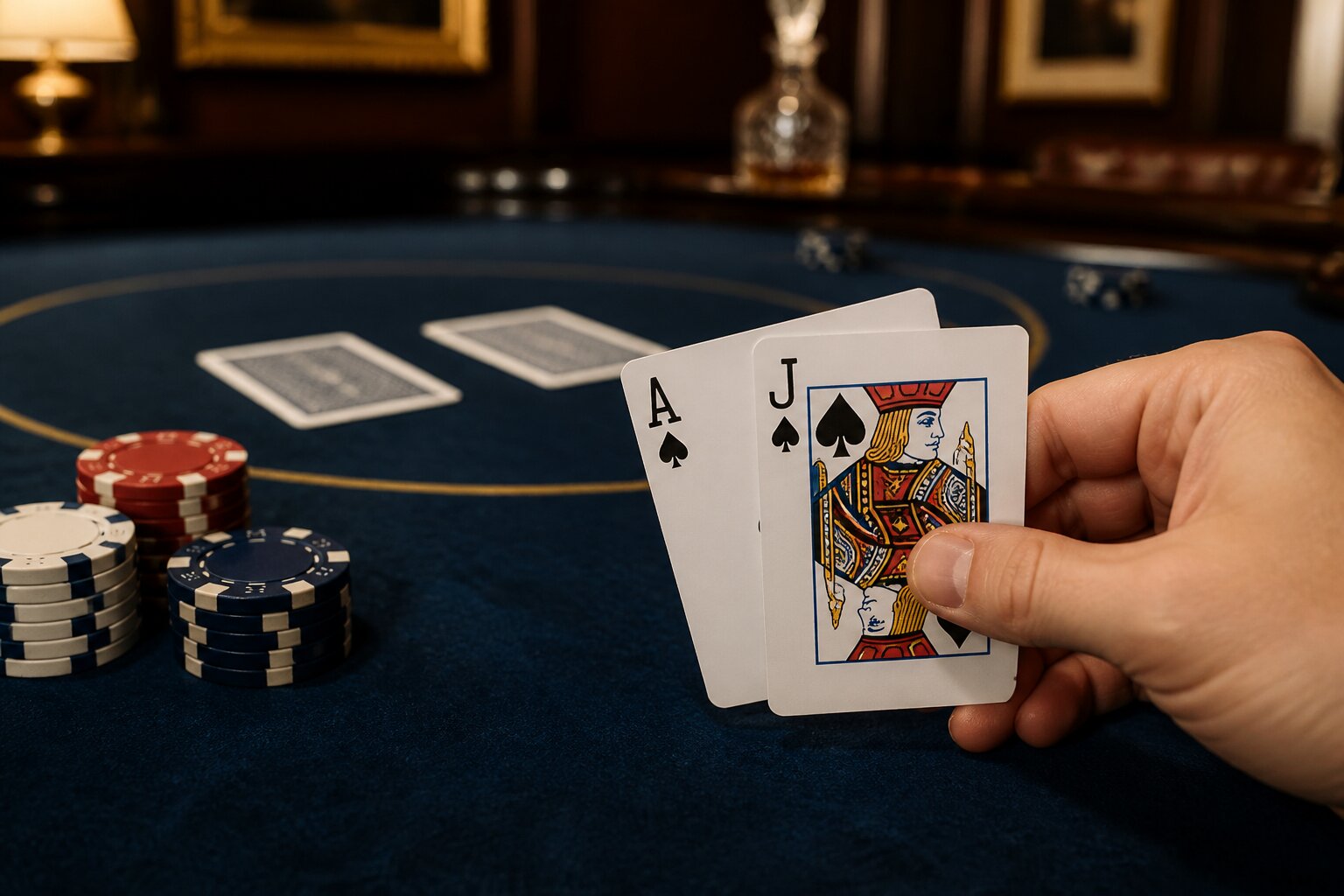
Pontoon shares the basic aim of blackjack: form a hand valued as close to 21 as possible without going over. Where it diverges is in how hands are treated and what actions are available. A two-card hand made up of an Ace and any ten-point card is called a Pontoon and outranks other hands much like blackjack does in casino play.
One important procedural difference is that both dealer cards are dealt face down in Pontoon, so players act without any visible dealer card to inform decisions. Terminology varies too: a request for another card is called a twist rather than a hit, and choosing to stop is called sticking rather than standing. Pontoon also allows more flexibility with extra bets; a buy can be made after the initial deal even when more than two cards are held, unlike most blackjack rules.
Legal requirements mean real-money play is limited to those 18 and over. With that covered, the next section explains the practical rules you’ll use every round and how each action affects your chances of ending the hand profitably.
Essential Pontoon Rules Explained
Pontoon is normally played with a standard 52-card deck and suits have no separate value. Cards two to ten count at face value, face cards count as ten, and Aces can count as one or eleven depending on which benefits the hand more. The top result is a Pontoon: an Ace plus a ten-point card.
Each player receives two cards face up while the dealer’s two cards stay face down. Players act in turn and may choose to twist, stick, buy or split. Twisting adds another card and may be repeated while the hand total remains under 21. Sticking ends the turn and preserves the current total.
Buying involves placing an extra stake up to the original bet to receive one card face down; it can be done after two or more cards. Splitting is permitted when the first two cards are the same value, turning them into two separate hands each played on its own stake. After all players have finished, the dealer reveals and plays according to fixed rules, often twisting until reaching a set minimum such as 17.
Understanding how these options interact is central to good play. The next section looks at the specific rules that most players get wrong and explains their consequences in practical situations.
Which Pontoon Rules Are Most Often Misunderstood?
Despite its simple premise, Pontoon has several specific rules people frequently misinterpret. Below are three areas that commonly cause confusion and how to treat them correctly during play.
Double Down vs. Buy: What’s The Difference?
Although the term double down is widely known from blackjack, Pontoon’s buy serves a similar but broader purpose. A buy increases the stake by up to the original bet and awards a single card face down, but unlike the typical blackjack double down it can be made after the initial two cards — even when holding three or four cards. The timing flexibility and the ability to buy with multiple-card hands is where misunderstandings usually arise.
In practice, treating buys as a tactical option to improve marginal hands or to pursue a five card trick changes betting decisions. Remember that each buy is limited to the amount of the original wager and the extra card remains face down until the dealer plays, so its effect on strategy differs from the immediate one-card resolution associated with a blackjack double down.
Splitting Hands: When Is It Allowed?
Splitting in Pontoon follows a simple rule: if the first two cards are equal in value they may be separated into two hands. Each hand receives an additional card and is then played independently. Picture cards of the same rank qualify, so two queens can be split just like two eights.
The practical nuances to note are limits set by particular venues — for example, whether aces can be split and how many further cards are allowed on split aces — and whether multiple splits are permitted. These local details affect whether splitting is a strong option, so be aware of them before committing chips. The following section explains the five card trick, another special condition that can change the value of a split or bought hand.
Five Card Trick: How Does It Work?
A five card trick occurs when a player holds five cards without the total exceeding 21. This hand ranks above any lesser-numbered hand regardless of its numerical total except when the opponent has a Pontoon. For instance, a five card trick totalling 18 will beat a conventional two-card 20. Because of that ranking, pursuing a five card trick can be a valid strategy when the risk of busting on a single high card is significant.
The five card trick interacts with buys and twists: players using buys to add a concealed card may still complete a five card trick if their visible totals permit. Since house rules sometimes vary on payouts or recognition of the five card trick, it is wise to confirm how it is treated at your table.
Dealing, Betting & Player Actions in Pontoon
Rounds begin with players placing bets within the table limits. Dealers then deal two face-up cards to each player and two face-down cards to themselves. The lack of a visible dealer card places greater emphasis on a player’s own choices rather than reacting to dealer information.
Players choose from twisting, sticking, buying, or splitting as their hands develop. For example, a twelve made from a seven and a five commonly prompts a player to twist to try improving the hand, whereas a hand close to 21 is more often stuck. Buying can be used to back an aggressive approach when an extra stake seems justified, and splitting turns identical opening cards into separate opportunities.
After players finish, the dealer reveals and plays their hand according to the house rule structure, which typically requires them to twist to a set minimum. Bets are settled once the outcomes are clear. Given how small rule differences change outcomes, reading the house rules before play will ensure those final comparisons behave as expected and help you choose the most appropriate actions earlier in the round.
House Rules & Rule Variations to Watch For
Individual venues and online games often adopt variations that change how splitting, buying, or five card tricks are handled. Examples include limiting splits to once per hand, restricting extra cards on split aces, or specifying the dealer’s stick threshold. Payouts for a Pontoon or for special hands can also differ between operators.
These variations are not cosmetic; they influence the mathematics and the practical value of particular choices. A rule that forbids buying after splitting, for instance, reduces the flexibility of a split strategy. Similarly, a dealer who must stick on a lower total affects when a player might risk buying versus sticking.
Before joining a table, take a moment to note the key house rules. Doing so clarifies which tactics are available and makes the decisions you take during play more purposeful. The next section covers common mistakes to avoid so that those rules work to your advantage rather than surprising you mid-round.
Common Mistakes New Pontoon Players Make
Newcomers tend to bring assumptions from other card games that do not hold in Pontoon. A frequent error is assuming buying is restricted to the initial two-card hand; in Pontoon, it can be used later, changing how mid-hand decisions should be judged. Another mistake is expecting any dealer clue during play — both dealer cards remain face down, so actions must be taken without that information.
Misunderstandings around splitting are common too, especially about aces and picture cards. Not checking the house rules leads to situations where a player splits expecting certain follow-ups that the table does not allow. The five card trick also trips people up because its ranking against other hands is counterintuitive to those used to only comparing totals.
Finally, bankroll errors happen when players do not set limits beforehand. Establishing a budget and sticking to it avoids unwanted surprises and keeps play focused on the game rather than on chasing returns. With these traps in mind, you can approach Pontoon with clearer expectations and better strategic choices for each round.
Explore Casino Games at Bonanza Slots
We’d love to welcome you into our community of players at Bonanza Slots, where everyone can enjoy our selection of casino games in a relaxed and friendly atmosphere. Experience the fun of our site in your own time and style.
Getting started is easy — just create an account, make a deposit and you’re ready to play. We look forward to seeing you at Bonanza Slots!
**The information provided in this blog is intended for educational purposes and should not be construed as betting advice or a guarantee of success. Always gamble responsibly.