
Ever had a missed call from an unknown number and wondered if it was your local shop? Or been in a store when the cash register made a call and thought, "Who’s on the other end?"
Understanding how store phone systems work clears up a lot of confusion, especially if you are waiting for a confirmation, refund, or an important update. This article explains what number appears when a shop’s register rings you and why, with practical examples to help you recognise genuine contact.
Read on to learn how calls from tills are routed, what numbers you will usually see, and how to keep your information safe if a shop gets in touch.
How Do Cash Registers Connect to Phone Lines?
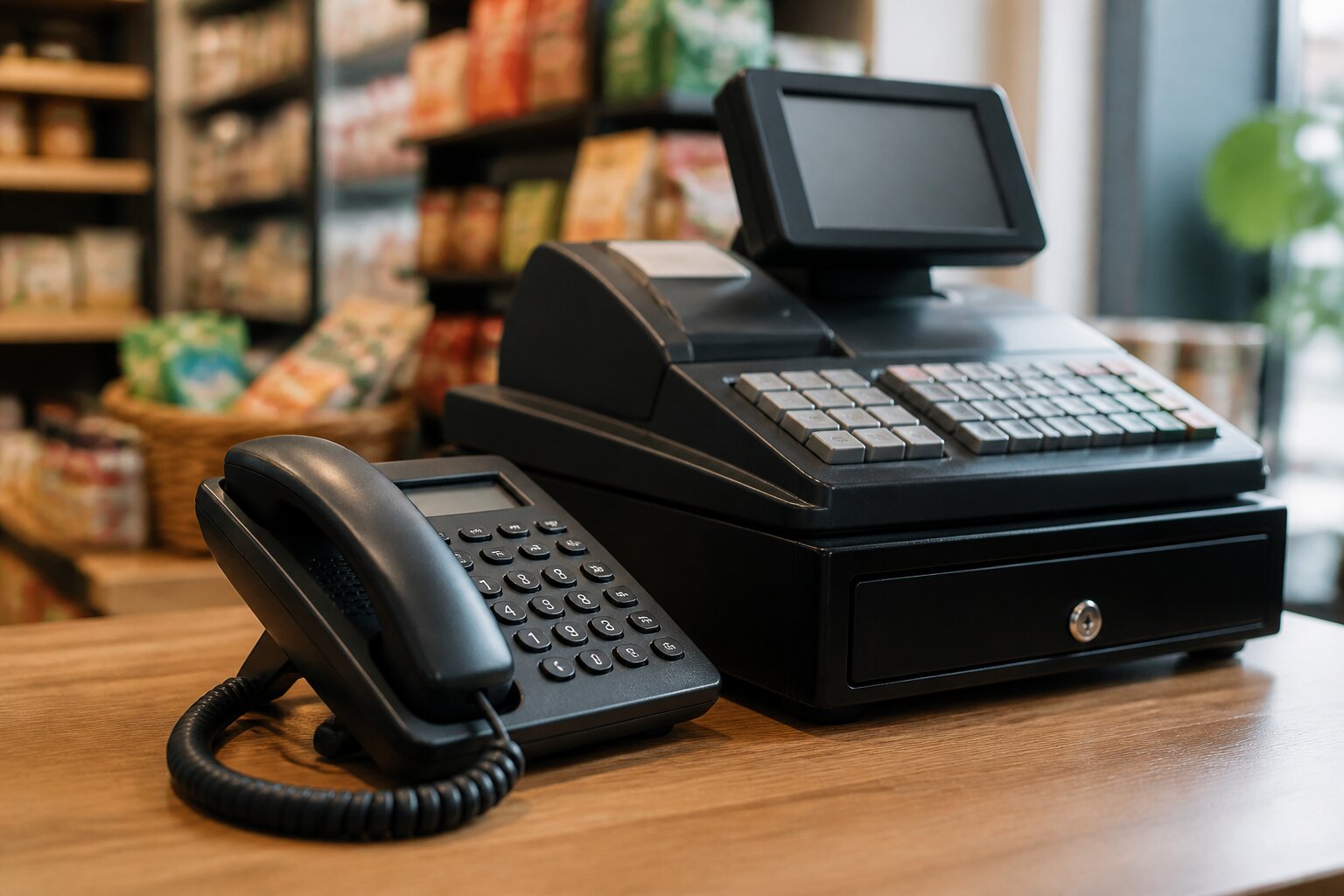
Modern cash registers, commonly known as point-of-sale (POS) systems, rarely act as standalone phones. Instead, they are part of the shop’s wider communications network. A register that needs to call out — perhaps to confirm stock or to seek manager approval — typically uses the store’s central phone system or voice-over-IP service that runs over the internet.
In practice this means the register will send the call request through the store’s network, and the phone system will present the store’s main number to the outside line. In smaller shops that still use older phone setups, a register might be tied to an internal extension, but external calls are normally routed through one published number. Cloud-hosted phone services work in a similar way, linking tills and other devices into a single outbound identity so customers see a consistent contact number.
This centralised approach keeps things straightforward for customers and staff alike, making it easier to identify calls and manage call records. The next section explains what those typical store numbers look like and when you might see a departmental number instead.
Typical Store Numbers Cash Registers Use
Calls from tills usually show the store’s official telephone number — the one printed on receipts and listed on a shop’s contact page. That single, published number is the common identity for all outbound calls, whether they originate at a till, a manager’s desk, or a customer services terminal.
Larger retailers sometimes publish direct lines for specific departments, such as a pharmacy or customer services desk. In those cases, a call related to prescriptions or loyalty accounts might display the department’s number instead of the general shop line. Still, the use of a separate number for each individual register is rare; most retailers favour a small set of dedicated numbers so customers can recognise them easily.
Using a known number helps with verification and record-keeping, and it reduces the risk of confusion when customers check their call logs. This clarity also connects to how caller identity appears on your phone, which the next section covers.
Is It Ever a Private or Masked Number?
Most shops avoid masking their identity. When a call comes from a till it will generally show a recognisable number or the shop’s name on caller ID. Masking calls as private or unknown is usually the result of a technical configuration or an intermediary phone service, not deliberate practice for regular customer contact.
There are occasional exceptions: automated systems or third-party services handling deliveries and recalls might display a generic or withheld number. These are specific use cases rather than the norm for in-store communications. If a call appears as private and you are uncertain, using the published store number from a receipt or website to confirm is a prudent step.
Knowing how the number should look helps you decide whether to answer or to call back, and that leads into common actions to take when you get a register-related call.
Why Might a Store Contact You After a Transaction?
Stores contact customers for a handful of practical reasons related to the transaction. Payment processing issues can trigger a follow-up if a card authorisation fails or a manual check is needed. Staff might also call to confirm details for online orders collected in store, to arrange collection times, or to notify you about returned or forgotten items.
Occasionally a call is necessary to resolve a discrepancy on a receipt, clarify loyalty scheme information, or to arrange a refund where additional authorisation is required. Retailers generally limit such calls to what is necessary for customer service and record accuracy; they will not press for unrelated purchases or unnecessary information.
These service-focused explanations help you understand why a shop might ring and what to expect when answering — including what should and should not be requested during the call.
Understanding Store Caller Identification
Caller ID for shop calls normally displays the official number and sometimes the business name, which makes verification straightforward. Modern phone networks and services commonly link a number with a registered name so your device can show both at once.
If you receive a call that claims to be from a shop but the caller ID seems inconsistent with the number published on receipts or the store’s website, checking against those published contacts is sensible. Many stores keep logs of outbound calls and can confirm whether they attempted to reach you and why, which provides reassurance without having to disclose sensitive information over the phone.
With caller ID and simple checks you can usually determine the legitimacy of the contact; the next section describes how to respond safely if you’re uncertain or if you missed a call.
Common Questions About Cash Register Calls
When a register-related call arrives, people often ask whether they should call back and what to do if they miss it. Returning a missed call to the displayed number is normally safe because it will connect you to the store’s customer service. If you prefer, you can also use the phone number shown on your receipt or the store’s official contact page to reach a verified line.
Missing a call is not usually a problem. Many shops leave a voicemail or attempt another call if the matter is urgent. If the reason for contact is unclear, a brief confirmation call to the store using a published number will resolve most doubts without sharing any sensitive details.
These practical steps lead naturally into how to protect your information if you do speak with someone from the store.
Can You Call the Number Back?
Calling back the displayed number will typically reach a member of staff who can explain the reason for the initial contact and confirm any details. Using the published number from the store’s website or receipt adds an extra layer of certainty and avoids returning calls to a spoofed line.
What If You Miss a Call From a Store Cash Register?
If you miss a call, look for voicemail or an SMS first, as these often explain the purpose. If neither appears and you remain concerned, use the official contact information to check rather than relying solely on the recent missed-call entry.
Protecting Your Personal Information During Store Calls
Retailers take customer privacy seriously and will only request the minimum necessary information to resolve an issue. Typical verification might include a name, transaction time, or the last few digits of a card to match records. Requests for passwords, full payment details, or PINs are not part of legitimate verification procedures.
If a caller asks for sensitive information, end the conversation and contact the store through the phone number printed on your receipt or found on the official contact page. That way you can confirm whether the earlier call was genuine without risking your data.
When stores need to confirm age or identity for regulated sales, they do so within legal and privacy boundaries, using established checks rather than invasive questioning. Keeping personal information safe is a shared responsibility: staff will verify with the least intrusive means available, and customers can protect themselves by using verified contact channels.
Practise responsible gambling is relevant only when buying regulated products such as lottery tickets; any necessary checks are conducted professionally and in line with legal safeguards, and they will not involve requests for passwords or full payment data.
Final thought: knowing how tills present calls and how to verify them gives you a clear way to respond, whether you answer, call back, or simply check a receipt for the store’s published number.
**The information provided in this blog is intended for educational purposes and should not be construed as betting advice or a guarantee of success. Always gamble responsibly.