
Ever wondered what number to look out for if Heart Radio’s “Make Me a Winner” rings with life-changing news?
You’re not alone — many hopeful listeners miss out because they don’t recognise the call or aren’t sure whether a caller is legitimate.
This article explains what to expect from competition calls, how to spot genuine contact, and what to do if you miss a call, so you’re prepared if you’re picked.
How Does the Make Me a Winner Competition Work?
The Make Me a Winner competition gives listeners the chance to win cash prizes by entering via phone, text or online. Each time the competition runs, one valid entry is selected at random and the chosen entrant is contacted by the station.
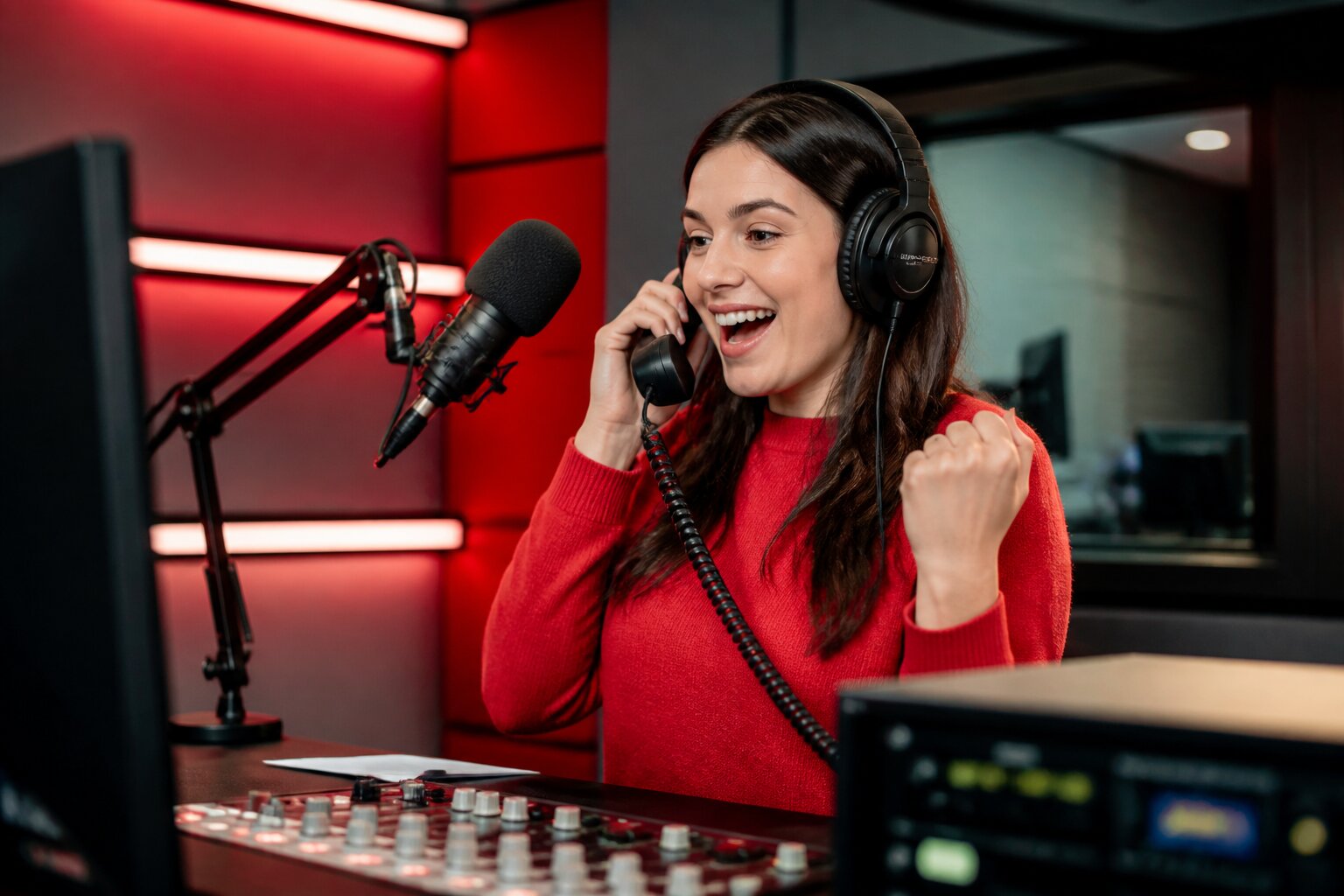
If your entry is drawn, producers will call you live during the show. The rules usually require you to answer within a specific number of rings to claim the prize; missing the call typically means the prize is passed on to the next round. Those procedures keep the contest fair and consistent for everyone taking part.
Entry costs and the odds of being chosen vary depending on how you enter, so it helps to be aware of the terms before you take part. With that context, the next section explains how those calls commonly appear on your phone.
What Phone Number Does Heart Radio Use for Winning Calls?
Competition calls may come from a standard mobile or landline number, but it is common for the station to withhold the number or for it to show as Unknown or No Caller ID on your phone. This practice helps protect the privacy of station staff and prevents listeners from calling back to personal lines.
Because the number is often not displayed, it’s sensible to answer calls you receive shortly after entering the competition, even if they do not appear familiar. When Heart Radio makes a competition call they will identify themselves on the line and explain the reason for calling.
Be cautious about sharing any sensitive financial information with callers. A genuine caller will not ask for bank PINs, passwords or full card numbers. The following section explains more clearly how to tell if a call is authentic.
Can You Tell If a Call from Heart Radio Is Genuine?
Receiving a competition call is exciting, but confirming its authenticity is important to protect your personal information.
Common Signs of a Legitimate Competition Call
A genuine call will clearly identify the caller as representing the station and refer to your entry into the specific competition. The caller may tell you that they are broadcasting live and will never pressure you for sensitive details. Typical requests are limited to confirming your name and entry method, and the station will explain how any prize will be delivered.
Genuine callers may also offer simple verification details, such as quoting the time of your entry or the entry code you used, and they will be willing to give you time to check their identity if you ask. They will not ask for full financial details, banking passwords or one-time security codes, and they should be able to provide contact details you can use to call the station back through an official channel.
How to Avoid Scams and Spam Calls
If a caller starts asking for payment to claim a prize or requests full card numbers, passwords or bank PINs, end the call immediately. If you feel unsure, use the official contact channels listed later to verify the call rather than providing information over the phone.
Look for inconsistencies in what the caller says and what you know about the competition. If they give vague answers about how the prize will be sent, insist on written confirmation or an email from an official station address before sharing any more information. If you receive a suspicious call, it is better to pause and check than to respond straight away. That caution protects both your money and your personal data. Knowing this, the next section considers whether it’s worth answering unknown numbers during competition periods.
Should You Answer Unknown Numbers During Competition Periods?
During a competition run, there’s a reasonable case for being more vigilant with unfamiliar or withheld numbers, as these could be the station calling to notify a winner. Answering such calls can make the difference between claiming a prize and missing out, particularly when winners are contacted live.
At the same time, nuisance and scam calls are common. Answering every withheld call may expose you to unwanted contact or attempts at fraud, so it makes sense to stay cautious. Avoid sharing sensitive information and trust your instincts; if something feels wrong, end the call and verify through official channels.
Balancing attentiveness with caution helps you stay available for a legitimate call while protecting yourself from scams. The following section explains what happens if you do miss a Make Me a Winner call.
What Happens If You Miss a Make Me a Winner Call?
If a drawn entrant does not answer the competition call within the required time, the prize is usually forfeited for that round. The station’s rules commonly allow the prize to be allocated to another entrant or carried over to the next draw, depending on the specific competition terms.
Missing a call is understandably disappointing, but the process is designed to be clear and consistent so all entrants are treated equally. Knowing the likely consequence of a missed call makes it easier to decide how you want to manage your availability during competition periods. Next, learn the correct ways to get official information about the competition.
How to Contact Heart Radio for Official Information
For reliable information about the Make Me a Winner competition, use Heart Radio’s official website or the verified social channels listed there. Official contact forms and the published phone lines provide a secure route to ask about competition rules, recent calls or prize procedures. Where available, look for the station’s accreditation markers on social platforms to confirm you are viewing an official account.
Avoid using third-party sites or unknown phone numbers for verification; always rely on the station’s published contacts so you know you are getting accurate answers. If you are ever unsure, check the contact details against multiple pages on the official site, or use the station’s main switchboard number which is normally shown on the contact or help pages.
When contacting the station, keep a note of the date and time of your enquiry and any reference numbers given. Do not provide unnecessary personal or financial details in initial enquiries, and only share sensitive information once you have confirmed you are dealing with an official Heart Radio channel. With this in mind, the next section explains why the station often withholds its number for competition calls.
Why Does Heart Radio Use a Withheld or Unknown Number?
Withholding the caller number is a common broadcast-industry practice designed to protect both participants and staff. Keeping the number private prevents listeners from calling back to personal lines and reduces the risk of those numbers being misused or impersonated.
For popular competitions with many entrants, hiding the originating number also helps manage station phone lines and safeguards staff privacy. It reduces the chance of staff or previous guests receiving large volumes of unwanted calls after a show, which could otherwise cause disruption or distress.
This use of withheld numbers contributes to a responsible and orderly process for running live competitions. It supports clear lines of communication during broadcasts and helps ensure the show can focus on content rather than managing follow-up contact.
The discussion now turns to how your personal details are handled once you enter. Stations typically process and store contact information in line with data protection rules, with access limited to authorised personnel only. Calls may be recorded for training and compliance purposes, and producers will usually explain how your information will be used before asking for personal details.
You should also be mindful not to share sensitive personal information on air. If further contact is needed, the station will generally seek your consent to use your details and will provide information about how long they will keep them and your rights to have them removed.
Privacy and Security: How Your Details Are Protected
The station treats personal data provided during entries as important and processes it in line with applicable data-protection requirements. Information submitted for competition entry is used for administering the draw and contacting winners, with access restricted to authorised personnel.
Data is not shared with third parties without clear consent unless required by law, and reasonable security measures are applied to reduce the risk of unauthorised access. If concerns arise about how personal information is handled, the station’s official contact routes can be used to request clarification or raise a query.
Alongside these protections, one should take care with personal information and avoid sharing sensitive financial details in phone conversations. Heart Radio continues to review its procedures to maintain participant confidence and integrity in the competition process.
Final statement: understanding how competition calls are made, what a genuine call will ask for, and where to get official information makes it easier to take part with confidence and peace of mind.
**The information provided in this blog is intended for educational purposes and should not be construed as betting advice or a guarantee of success. Always gamble responsibly.